

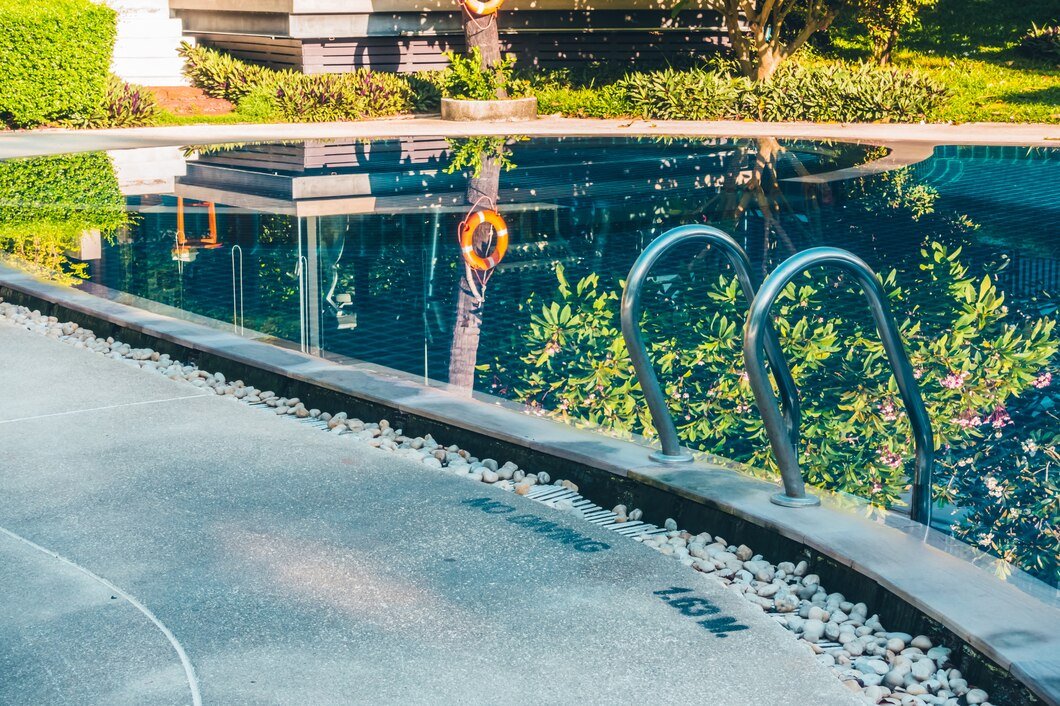
Pool Resurfacing Tips That Work Without Draining It All
After years of family swims, splashing and summer fun, pool surfaces can start to wear down. The bottom might feel rougher. You might spot light cracks or faded spots where the finish used to shine. This kind of damage is normal, especially in older pools. But it doesn’t always mean we have to drain the whole thing.
There are ways to handle pool resurfacing that don’t involve removing all the water. In some cases, contractors can repair surface issues while the pool stays full or only partly emptied. This can be a big relief, especially during early spring when we’re prepping for warmer weather and want the pool back in shape without a huge delay. Getting to know the different options available is the first step in making the right choice for your pool and your schedule.
What Pool Resurfacing Really Means
Over time, pool surfaces lose their smoothness and strength. Resurfacing is how we refresh that layer so the pool lasts longer and feels better underfoot. It helps seal small breaks and protects the pool from further wear.
- Pool resurfacing fixes surface damage like pitting, stains, or light chipping.
- It gives the pool a cleaner look and restores a smoother feel.
- A good finish helps the surface resist water damage, algae, and sharp cracks.
Different pools use different types of finishes. Some are made from plaster, pebble, or quartz blends. Others use paint or vinyl surfaces that wear in their own way. No matter the type, all finishes need care, and resurfacing is how we give them a fresh start. Regular maintenance and paying attention to the feel and look of your pool make it easier to know when it’s time for resurfacing, preventing cracks or rough patches from getting worse.
If you’re noticing your pool isn’t as comfortable or the shine is fading, it might be time to look closer at the surface. A pool that looks dull or feels gritty isn’t just uncomfortable, it can also mean there’s more chance for algae or dirt to stick. Resurfacing gets ahead of these problems, offering a fresh look and a better swimming experience.
When You Might Not Need to Drain the Pool
Draining a pool takes time and comes with its own set of risks. If the damage is small or stuck to certain parts of the surface, we may not need to drain it at all. Instead, there are tools and materials that let professionals do parts of the job while the water stays in.
Here’s when a full drain might not be needed:
- The cracks are fine-line only and not deep into the structure.
- The wear is from age and exposure, not from broken concrete or leaking seals.
- The main trouble is discoloration or a rough feeling on the bottom or walls.
In these cases, crews can use underwater tools or fast-drying repair materials. Some coatings are made for underwater use, sticking straight to damp surfaces or working well with partial draining. These types of jobs need the right product and a good plan, but they save time and can help avoid major disruptions.
Staying on top of minor wear can help you skip a drain and refill, which is better for the pool and uses less water. It’s good to have a professional take a close look, since there are special methods and repair types that work better depending on the material and amount of damage.
How Pros Handle Resurfacing with Water Still In
Working on a pool while it’s full takes planning, tools that work in wet settings, and a strong grasp of safety rules. Draining can mess with the pool’s balance inside the ground. So if we can avoid that step, it helps everything stay stable, especially in cooler months when rain and ground moisture shift more easily.
Here’s how professional crews usually tackle water-in jobs:
- They protect drains, lights, and connections so no water gets where it shouldn’t.
- They keep equipment clean and covered so nothing leaks into the pool.
- They use floating gear, weighted brushes, or underwater sprays when needed.
Most of all, they keep the water in check. That might mean running extra clean filters during the job or setting up barriers inside the pool to block off sections. The goal is to fix the surface without letting dirt, dust, or fresh material mix with the full body of water. It’s careful work, and best done by trained hands who know how to avoid sealing issues or line damage.
Sometimes, pros will break the job up into small sections, keeping one part of the pool blocked while they work on repairs in that area. This means that while some of the pool might be off-limits for a short time, the rest remains unaffected. In addition to saving water and time, it also keeps the risk of pool shifting or surface collapse low, especially in areas with unstable soil or lots of rain.
Getting the Timing Right for the Season
Late winter or early spring is a smart window for resurfacing, especially if we want to use the pool once the first warm days hit. Planning ahead now means we’re not rushing repairs mid-season while family and neighbors are eager for pool days.
Cooler air gives surface materials a chance to cure more slowly and correctly. That kind of slow setting leads to a stronger finish with fewer weak spots down the road. It’s also easier to spot issues before the water’s warm enough to hide minor cracks or chips under constant use.
- Materials bond well in cooler temperatures but still cure in time for early use.
- We avoid the spring and summer rush, when contractors may be booked.
- The pool is clean and ready by the time the days start warming up.
Starting early helps us spot what the pool needs and make a plan, whether we keep the water in or remove it just partway. If repairs are started soon, there’s enough time for everything to set and cure before swim season arrives in full swing. Working with pros who know the weather and the region’s soil and water conditions can help make sure your pool stays in shape for longer, adds peace of mind, and makes your spring and summer swimming much more enjoyable.
Enjoy a Smoother Pool without the Stress
Not every pool project means pulling the plug and draining it dry. In the right conditions, we can address surface roughness, chips, and wear without needing to empty the whole pool. That means more time enjoying the space and less waiting on refills or restarts.
Getting ahead of visible wear now keeps our backyard swim space working longer and looking better. Early spring is the perfect time to think about updates like resurfacing, especially if we want everything ready when the warmer days arrive. We’re not just fixing what’s wrong, we’re protecting the pool for seasons to come.
At Pool Sync, we understand the importance of keeping your pool safe, smooth, and ready for warm weather. Whether you’re handling minor cracks or considering a complete makeover, choosing the right timing and method is important. When you’re ready to read about pool resurfacing and want to know what the process involves, our team is here to guide you. Contact us today to make sure your pool is prepared for the upcoming season.

Recent Posts

Pool Resurfacing Tips That Work Without Draining It All

Breaking Down the Pool Construction Process Step by Step