

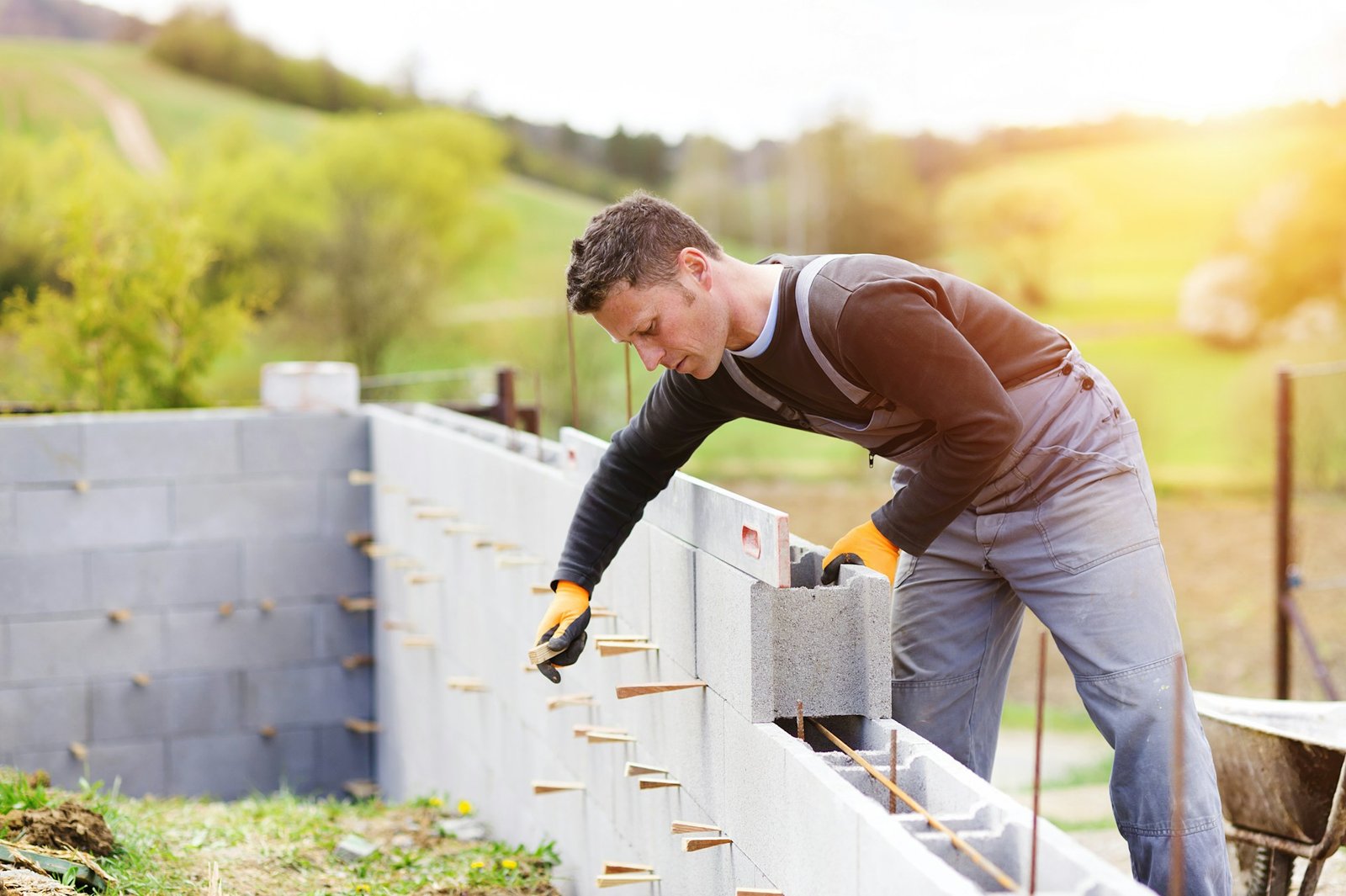
Why Outdoor Construction Timelines Shift Near Spring
When the snow begins to melt and the days start feeling a little longer, it’s natural for homeowners to start thinking about spring projects. Outdoor construction tends to pick up energy right around this time, especially as people begin picturing warmer weekends in the backyard. But while the calendar might call it early spring, the ground and weather often tell a different story.
We’re often asked why outdoor construction timelines get pushed around this time of year, even when sunshine returns. The answer usually comes down to conditions we can’t rush. Wet soil, lingering frost, and supply timing all play a part. It’s not just about the temperature. Spring brings its own set of challenges that we have to work through carefully to keep jobs moving safely and smoothly.
Why Late Winter Conditions Slow Things Down
Even after the snow starts to disappear, the ground underneath can still be tricky. Some areas stay frozen, especially in shaded yards. Others become waterlogged from all the melting snow, leaving muddy paths and soft spots behind.
Here’s what we often run into:
- Ground that looks thawed on top but is solid ice just a few inches down
- Oversaturated soil that won’t support the weight of heavy machines
- Delayed digging or grading because the ground keeps shifting from freeze-thaw cycles
These kinds of conditions slow down starts. We might not be able to safely bring in tools or complete tasks like trenching or setting footings until things dry out and settle a little more.
How Weather Impacts Crew Scheduling
Spring weather can be unpredictable. One day it’s sunny and mild, the next day brings sleet or freezing rain. This kind of back-and-forth makes it tough to carve out long work stretches during late winter or early spring.
Here’s how that affects our plans:
- Crews often need to stop and restart depending on weather or mud levels
- Jobs may suddenly pause if the soil shifts or becomes unstable overnight
- We build flexible schedules, knowing we’ll need to shift tasks or crews around on short notice
This type of staging means we can’t always give firm dates weeks in advance. It’s a balance between staying safe, watching the weather, and making steady progress wherever we can.
Material Delivery and Prep Take Longer
Once the build is in motion, supplies need to move too. But in late winter, even something like delivering stone or concrete can turn into a challenge. Delivery trucks don’t handle soggy ground well, and getting close to the build site becomes tricky when the driveway or yard hasn’t firmed up yet.
A few things we plan for:
- Slower or staggered material drop-offs so yards don’t get torn up
- Limited space to unload, especially when parts of the site are still wet or soft
- Careful planning to avoid having equipment and piles of materials overlap in one zone
These delays aren’t always visible from the outside, but staging behind the scenes plays a big role in keeping future steps on track.
Early Planning Helps Spring Projects Stay on Track
Even if active work can’t begin the moment snow melts, lots of progress still happens before the first shovel hits the ground. Planning ahead in winter makes a big difference once outdoor construction begins picking up.
Here’s what helps projects move faster once conditions improve:
- Completing design work while winter winds down
- Submitting permits and paperwork in advance so approvals are ready
- Booking jobs before the busy season fills up
By the time the frost gives way for good, it helps when we already have a plan, know where everything goes, and can respond quickly when the ground finally says, “Let’s go.”
Our team uses 3D visualization software to help finalize construction plans before work starts, giving everyone a clear view of each stage of the project before the ground is ready.
Why Timelines Look Different Depending on the Yard
Every backyard has its own personality. Some dry out quickly with sun and good drainage. Others hold onto moisture long into spring, especially if they sit in a low spot or have clay-heavy soil.
Here are a few reasons one yard may be ready weeks before another:
- Southern-facing yards get more direct sun, warming and drying earlier
- Yards with proper grading or drains shed water faster
- Soil type and past use (like compacted lawn or turf) affect how quickly crews can start
That’s why we always take a fresh look at each property before locking in the schedule. One street over might look ready to go, while your yard still needs a couple of weeks to settle.
Building Smart as the Season Shifts
Spring is a time of excitement, but it’s also a time when things change fast. Outdoor construction timelines stretch or shift because cold ground, soggy soil, and uncertain supply chains all take time to stabilize. These aren’t avoidable challenges, they’re seasonal ones that return every year with the melt.
With smart planning, early design work, and a solid feel for how spring flows, we’re able to map out projects that stay safe and make real progress, even amid the rain and mud. When families understand why the pace picks up slowly at first, it helps them enjoy the build even more once everything’s in motion.
By working in rhythm with the season, not against it, we set things up for success as the weather turns and those spring days finally settle in for good.
Thinking ahead to spring and looking to stay ahead of the weather? We’re here to help you get your project on track. Every detail counts, from thawing timelines to thoughtful planning, and we know how to keep your outdoor plans moving smoothly. Take a closer look at how we manage each phase of outdoor construction and plan effectively around seasonal changes. At Pool Sync, we build with timing and safety in mind so your backyard vision gets the best possible start. Reach out to us today to begin the conversation.

Recent Posts